
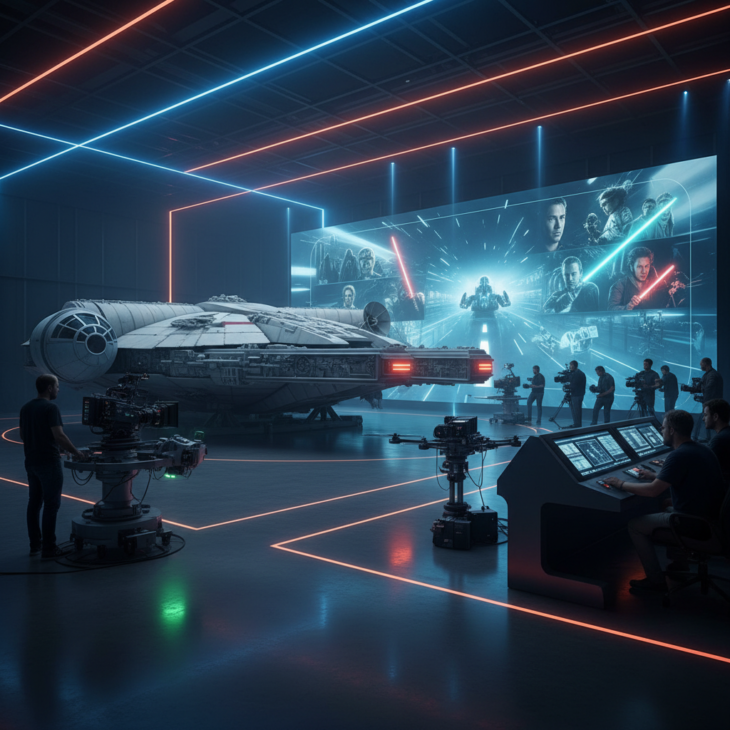
The Star Wars Phenomenon
Star Wars is not just a series; it’s a cultural phenomenon that has influenced films across various genres and styles since its debut in 1977. It revolutionized how stories are told in cinema, brought technological advancements, and shaped audience expectations. But why did this particular saga resonate so deeply? Part of the answer lies in its innovative storytelling, special effects, and world-building techniques that have set new standards in filmmaking. Its characters and mythos have influenced not only aspiring filmmakers but also writers and artists across various mediums worldwide. Star Wars has become an enduring symbol of creativity and human expression.
Revolutionizing Visual Effects
When George Lucas created A New Hope, the visual effects industry was forever changed. Lucas founded Industrial Light & Magic (ILM) to develop groundbreaking special effects techniques. His team’s dedication to creating believable alien worlds and epic space battles led to the introduction of motion control photography, allowing filmmakers to achieve precise camera movements and seamlessly integrate live-action and background effects. This technique is now a staple in modern filmmaking. Projects like The Lord of the Rings series and Avatar have built on these foundational techniques. Beyond motion control, ILM also pioneered CGI in a way that changed the narrative capabilities of films. The integration of CGI allowed filmmakers to create imaginative worlds and characters that were previously impossible, pushing the boundaries of what storytelling could achieve.
Narrative Structure and Character Development
The narrative of Star Wars follows classic hero’s journey templates, exploring themes of good versus evil, personal growth, and redemption. These themes resonate with audiences, creating a framework that has been adopted in countless other films. For instance, the journey of Anakin Skywalker mirrors many central characters in contemporary cinema who grapple with dark and light within their own arcs. Directors like J.J. Abrams have cited the influence of Star Wars in projects such as Star Trek and The Force Awakens, where strong character arcs are crucial for engaging storytelling. Furthermore, the prequel trilogy expanded the lore and complexity of its characters, introducing nuanced dilemmas and motivations, demonstrating that characters can evolve and undergo dramatic transformations over time.
Sound Design and Music Innovation
Star Wars wouldn’t be the same without John Williams’ iconic score, which has become a benchmark for film music. The blend of orchestral music with innovative sound design set a new standard for auditory storytelling. The use of diegetic sounds – sounds that characters in the film can hear – was also masterfully crafted, from the hum of lightsabers to the roar of TIE fighters. This attention to detail has encouraged filmmakers to invest in soundscapes that elevate emotional depth and immersion in their movies. Films like Inception leverage similar techniques to amplify their narrative impact. Moreover, Williams’ collaborative approach with the storytelling elements created themes that resonate emotionally with audiences, reinforcing character arcs and plot developments through music, something that many subsequent films aspire to replicate.
Modeling Film Marketing and Franchise Development
The marketing of Star Wars was revolutionary, using a blend of merchandise, sequels, and prequels to create a sprawling universe that has captivated audiences for decades. Lucas was among the first to recognize the potential of franchise-building, which has influenced how studios approach their biggest IPs today. The Marvel Cinematic Universe (MCU) is a prime example of this strategy, utilizing interconnected storylines and character crossovers to maintain audience engagement. The views around the future of Star Wars cinema continue to include explorations of this storytelling model. Beyond just film, Star Wars paved the way for transmedia storytelling, where lore and storytelling extend beyond the screen into books, video games, and animated series, allowing fans to engage with the universe on multiple levels. This has become a fundamental approach for successful franchises, highlighting how expanding a story universe can deepen fan engagement and loyalty.
Diversity in Storytelling and Representation
Another key influence of Star Wars is its evolving approach to diversity and representation. Initially criticized for its lack of diverse characters, recent films have made strides to include more inclusive casts and narratives. Films like The Last Jedi and The Rise of Skywalker have centered a more diverse array of characters, paving the way for future franchises to follow suit. As the film industry increasingly values representation, Star Wars’ evolution reflects broader societal changes and discussions, impacting creators across genres. Specifically, characters like Finn and Rey represent a shift toward inclusivity that resonates with modern audiences, highlighting the importance of varied perspectives in storytelling. The broader dialogue around representation in film continues to grow, with Star Wars serving as a significant touchstone in these discussions.
Technological Advancements and Realism
Star Wars was at the forefront of embracing new technologies to enhance the visual and emotional experience of cinema. The use of CGI and practical effects continues to influence how filmmakers approach storytelling. For instance, motion capture technology, used in films like Avatar and Gollum in The Lord of the Rings, creates a deeper connection between audiences and characters. The way Star Wars utilized both practical and digital effects demonstrates the importance of balancing technology with human experience. Filmmakers now adopt similar approaches, ensuring that the audience remains engaged on an emotional level. This has also resulted in a movement towards more hybrid techniques that blend traditional effects with modern CGI, resulting in a more tangible and relatable cinematic experience.
The Importance of World-Building
The rich, expansive universe of Star Wars has set the benchmark for world-building in modern cinema. Each planet, species, and political system feels fleshed out and real, drawing audiences into the universe. This intricate world-building has inspired franchises such as Harry Potter and The Witcher series to create immersive settings that feel alive. The ability to craft a living, breathing universe is a defining characteristic of successful modern films, and Star Wars remains the gold standard. The detail put into the lore, such as the Galactic Senate, Jedi Order, and Sith legends, not only creates depth but also encourages extensive fan theories and explorations of the universe that extend beyond the screen, enriching the experience for die-hard fans.
Addressing Fan Theories and Community Engagement
Another impact of Star Wars on modern filmmaking is the rise of community engagement through fan theories and discussions. The prequel trilogy ignited debates about plot holes and character motivations, fostering a vibrant online community. Filmmakers are increasingly aware of these conversations, often involving fans in the filmmaking process through social media interaction – promoting a sense of ownership in the material. This engagement reflects an evolving relationship between creators and consumers that many new projects aim to maintain, particularly in franchise films. Furthermore, major events like Star Wars Celebration have created opportunities for fans to meet, share ideas, and deepen their connection to the saga, which has also influenced the marketing and production strategies of other franchises. The enthusiasm of the community can markedly impact future storyline directions and character development in the Star Wars universe and beyond.
The Ongoing Legacy of Star Wars
As we look at the evolving film landscape, it’s clear that Star Wars has left an indelible mark. Its influence permeates not just science fiction but also action films, adventure tales, and dramas. The revitalization of classic narrative forms alongside cutting-edge technology will likely continue to inspire future filmmakers. With each project, the legacy of Star Wars as a reference point for creativity, storytelling, and innovation in filmmaking persists. While each film may stand alone, the larger narrative continues to inspire awe and reflection, making it clear that Star Wars will remain a pivotal part of cinematic history. The continued exploration of its themes and characters in new media, such as television series and novels, reaffirms its relevance and emotional impact, ensuring that the Force will remain strong for generations to come.